
Foundation Excavation in Gardner, Kansas

Some foundation repairs can only be done from outside the house, with the soil dug away from the basement wall. That means digging down to the outside face of the wall or the footing under it, often several feet deep, so we can waterproof the wall, set piers or rebuild a damaged section.

Before any excavation

When Foundation Repair Means Digging Outside the Wall

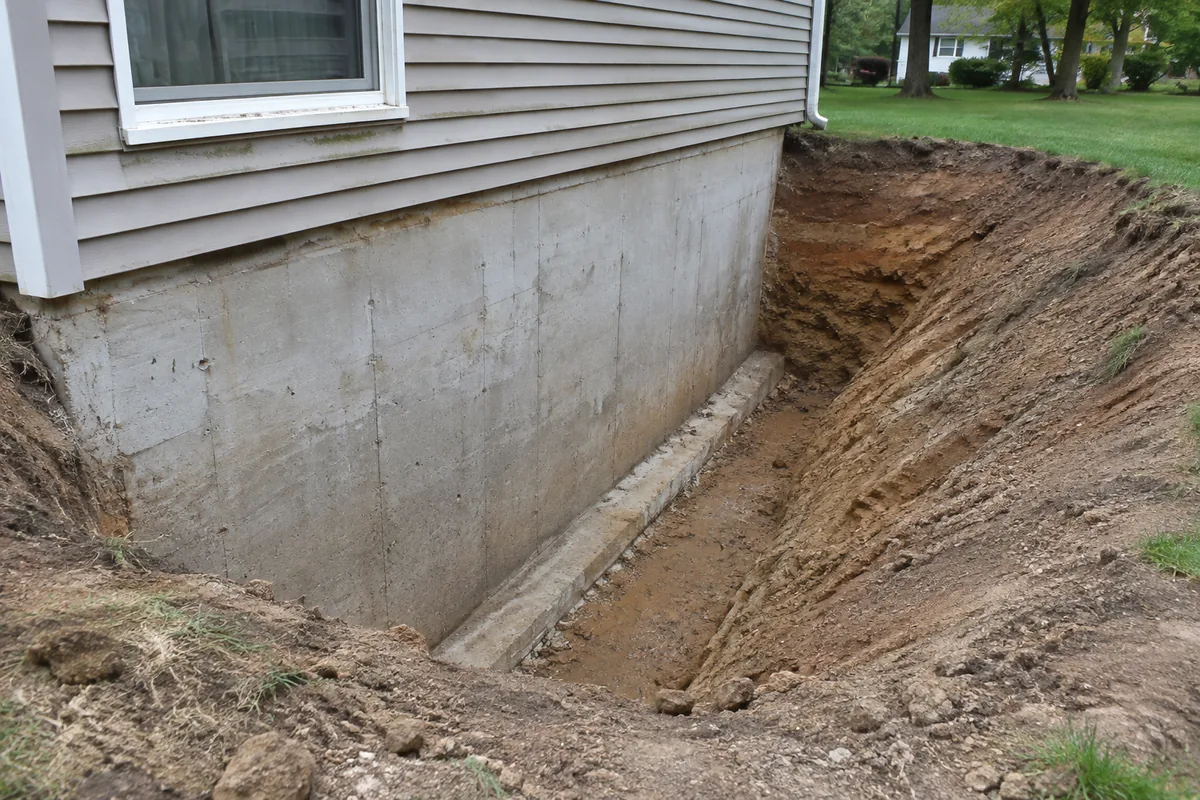
Digging next to a foundation is not like digging a hole in the yard. The soil against your basement wall is backfill, dug out when the house was built and dropped back in, so it is looser than the ground around it and has to be dug carefully to keep the trench from caving in.

It is also deep. Johnson County's residential foundation guideline puts footings at least 36 inches below the ground, and a basement footing sits much deeper, down at the level of the basement floor.

And because the trench runs right along the house, it passes everything buried beside it: gas and water lines, sprinkler pipes and the roots of trees planted near the wall. We dig around them carefully, so fixing the foundation does not break something else.

Once the repair is done, that same soil goes back in and gets shaped so it slopes away from the house. That keeps rain from collecting in the spot that caused the trouble.

Exterior excavation exposing a concrete foundation wall and its footing

When the problem is outside

Signs Your Foundation Needs Exterior Repair

You will never see the outside of your basement walls, but they leave clues inside the basement and along the edge of the house. Each of these points to a problem on the outside of the wall or under its footing, the places a repair can only reach by digging.

Water Coming Through the Face of the Wall

Look for damp patches or streaks spread across the face of a basement wall, not just along one crack.

That means water is getting through the wall itself. The fix may be a waterproof membrane on the outside, which takes digging, or a drain along the base inside.
Digging for exterior waterproofing

A Floor That Slopes Toward One Corner

Set a ball on the basement floor. If it keeps rolling toward the same corner, the footing under that corner has likely dropped.

Reaching that footing often means digging outside along the wall, though sometimes it can be reached from inside the basement. The inspection shows which.

Digging for piers

Cracks That Widen Toward a Corner

Follow the cracks in the basement wall or the brick outside. If they get wider as they run toward one corner, that corner of the house has likely sunk.

To stop it, piers go under the footing, the concrete base below the ground that the wall sits on. We usually dig down from outside to reach it, though some houses let us reach it from inside the basement.

Digging for piers

Soil That Has Sunk Along the Foundation

Walk along the outside of the house and look for a low strip of ground right against the wall.

Rain collects in that strip and soaks the ground against your basement wall, which can lead to leaks or wall damage down the road. Often the fix is to build the soil back up so it slopes away from the house, or to add a drain that carries the water off. If the wall has already started leaking, waterproofing the outside of it may be part of the repair too.

Backfilling and grading

A Block Wall Bowed In Too Far to Brace

Some block walls lean in so far that you can see the bow from across the basement.

Bracing may not hold a wall like that, and rebuilding it means digging the soil off the outside first.

Digging out a block wall

A Row of Blocks Pushed Out of Line

Feel along the rows of block for a ledge where one row has slid in past the row beneath it.

Wet soil pushes hardest near the bottom of a wall, where the most soil sits behind it, so lower rows slide most often. Rows near the top can slide too, since less of the house's weight holds them in place.

Bracing usually cannot pull a slid row back into line, so we dig out that section and rebuild it with new block.

Digging out a block wall

Water Coming Through a Wall or a Corner That Has Settled?

Call us as soon as you notice something concerning in your basement. You can send us a few photos through the estimate form below, one of the wall inside and one of the ground outside along it, and we will go from there.

Where we work

Serving the Kansas City Metro

We're based in Gardner, and we're a growing company. Right now we're expanding about 45 miles out in every direction, which covers most of the metro on both sides of the state line. Not sure if we make it out your way? Give us a call and ask.

Kansas Service Area
  • Gardner
  • Olathe
  • Overland Park
  • Shawnee
  • Lenexa
  • Leawood
  • Prairie Village
  • Merriam
  • Mission
  • Spring Hill
  • Edgerton
  • De Soto
  • Lawrence
  • Eudora
  • Baldwin City
  • Ottawa
  • Wellsville
  • Paola
  • Louisburg
  • Kansas City
Missouri Service Area
  • Kansas City
  • Belton
  • Grandview
  • Raymore
  • Peculiar
  • Harrisonville
  • Lee's Summit
  • Raytown
  • Independence
  • Blue Springs
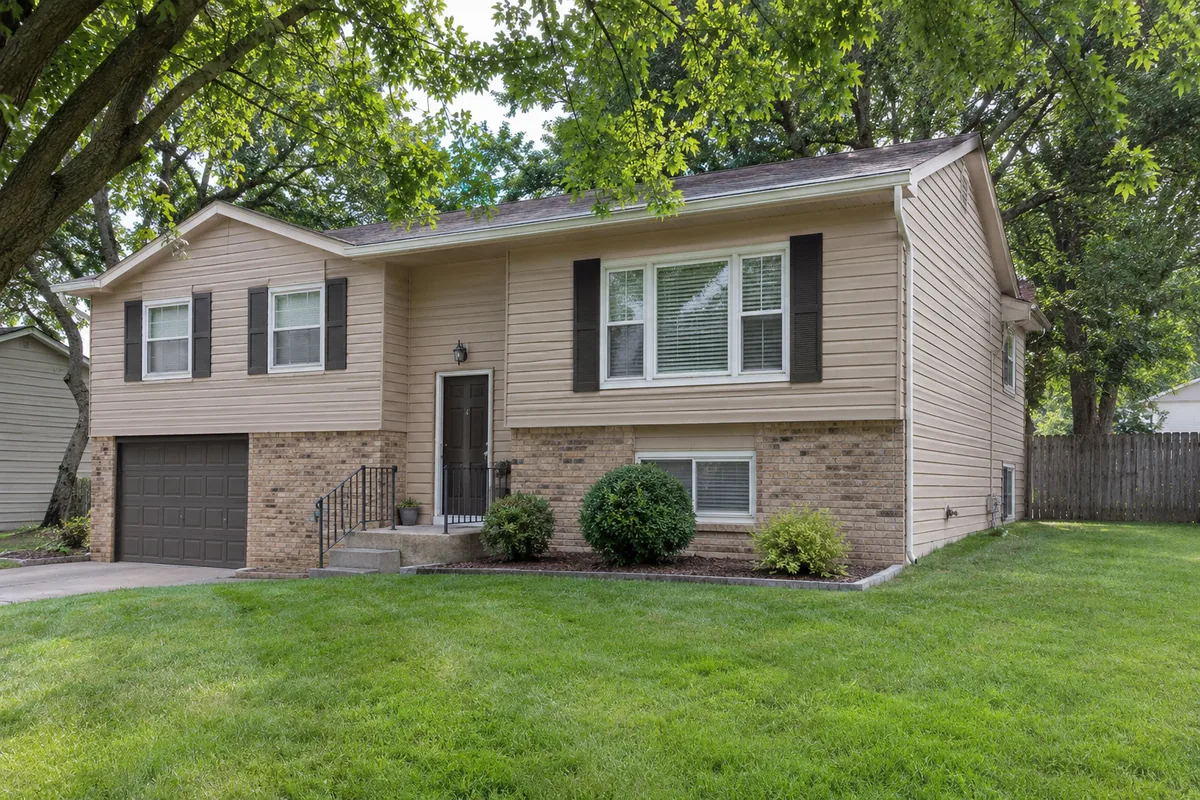
Illustrative Midwestern family home with a lawn and established trees

Before we dig

What We Check Before Digging Around Your Foundation

Get a Free Inspection

01

We Check Whether Digging Is Needed at All

Plenty of water and wall problems can be handled from inside the basement.

We look at the wall from both sides with you and only dig when the repair needs the outside.

02

We Walk the Outside of Your Basement Wall With You

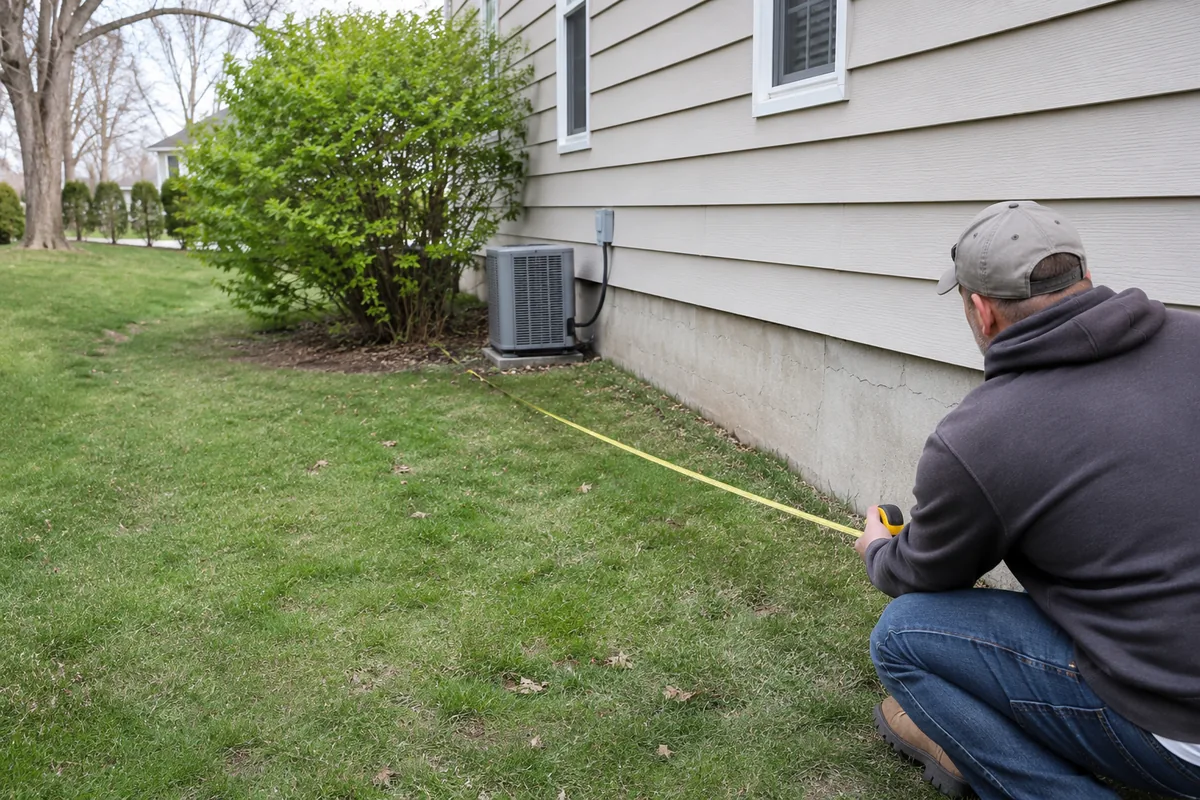
Next we look at what sits along that wall outside, like a deck, a patio or the air conditioner.

We go over what has to move, so nothing is a surprise on the day we dig.

03

We Figure Out How Deep the Dig Goes

A membrane has to reach the footing, while piers need a hole beside the footing at each spot.

That depth sets how big the dig is and how long it stays open.

04

We Plan How Your Yard Goes Back Together

Last, we show you where the soil goes while we work and how we will shape the ground afterward.

The soil goes back in sloped away from the house, so rain runs off instead of soaking the spot we just repaired.

Worth knowing

What We Want Every Homeowner to Know About Foundation Excavation

A trench next to your house sounds like a mess. Here is what actually happens to your yard, your soil and your utility lines.

Digging Does Not Tear Up Your Whole Yard

We dig only along the stretch of wall the repair needs, or a single hole at each pier.

The soil sits beside the trench while we work and goes back in when the repair is done.

1 of 4

Free estimate

Schedule Your Free Foundation Excavation Inspection

In the message box, tell us what you are noticing and where it is.

A photo from inside the basement and one from outside along that wall help us see the problem before we get there.

Location
Gardner, KS 66030
Hours
Monday to Friday, 8:00 AM to 6:00 PM
Saturday and Sunday, Closed
When's the best time to contact you?

Add at least one photo of the crack, wall or wet spot so we can see what is going on before we come out. Up to 3 photos.

Texts & email

Prefer to talk? Call (913) 444-0115 during business hours.